Here you can find all of our known methods for generating, collecting, and storing energy.
Table of contents
Generating Energy
Generating energy is actually just a conversion of energy from one form to another. Energy is not created.
Generating Energy: Heat
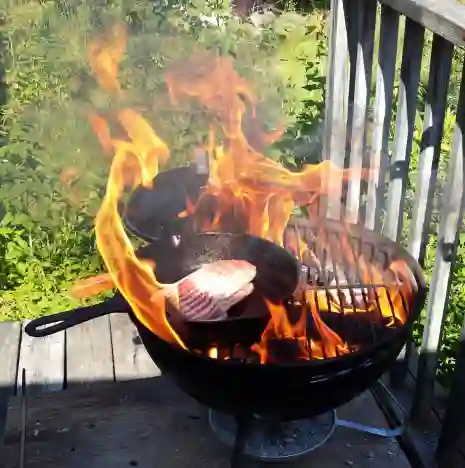
Fire
Description: Fire is an exothermic chemical reaction, often generated by combusting organic materials such as wood, natural gas, or petroleum fuels.
Benefits:
- Amount of heat generated can be high
- Can be fueled by twigs, sticks, fallen trees, etc
Drawbacks:
- Exhaust requires proper ventiliation (toxic)
- Often you may not have a renewable and sustainable source of combustable material
- If wood-based, likely requires regular chimney cleaning
- If not properly operated, could result in fire spreading where you don’t want it!
Solar
Description: The heat from solar radiation can be absorbed, captured, and concentrated.
Benefits:
- Renewable source
- Can get hot enough to cook if sun is concentrated
Drawbacks:
- Clouds and night mean this source is not always available
- Many designs rely on glass which can be expensive (if not reused)
Absorb Color Spectrum 
Contain Radiant Heat 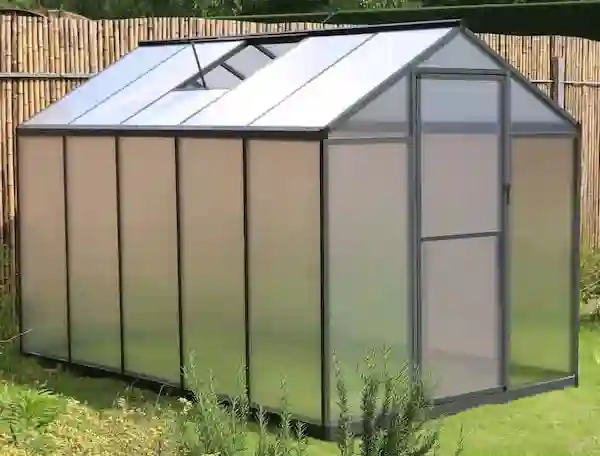
Concentrate Radiant Light 
Electric
Description: Electronics always radiate wasted energy in the form of heat. Applying resistance in an electrical circuit is one of the major causes, whether intentional or incidental. This principal is used in resistive heating elements such as dump loads or toasters.
Benefits:
- Simple and reliable mechanism
- Can off-load a high amount of energy
Drawbacks:
- Requires a decent amount of electricity

Earth
Description: Geothermal heating is a very old method if you consider homes dug into the earth. Temperatures below the frost layer stay moderate year round. During colder months, the warmer air from below can be used to pre-warm air or even warm water for animals.
Benefits:
- Passive
- Simple
- Renewable
Drawbacks:
- Can be costly or laborsome
- Limited temperatures it can heat to
- Not enough heat to cook with
Chemical Reaction
Description: There are various chemical reactions that release heat. Below are options we have used or considered.
- Compost
- Fire (its own category)
Benefits:
- Take advantage of natural processes (compost)
- Can often off-load heat energy very quickly (not compost)
Drawbacks:
- Protective gear (gloves, glasses, etc) is often recommended for handling many chemical reactions
- Potential waste to dispose of after the chemical reaction is complete
Phase Change
Description: There are various phase changes that release heat. Below are options we have used or considered.
- Heat Packs (super saturated sodium bicarbonate)
Benefits:
- Often renewable in that it can be “reset”
- Can be portable
Drawbacks:
- Typically generates only a small amount of heat
Generating Energy: Electricity
Solar/PV
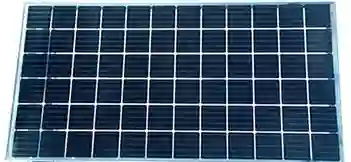
Properties:
Voltage: ~5V - 600V
Wattage: 1W - xxkW
Depends On: Solar panel, wire
Optional Dependencies: Charge controller, storage, breakers, inverter
Benefits:
- Relatively maintenance free (save for snow clearing)
- Relatively easy to setup
Drawbacks:
- Requires sun to produce power
- semi-expensive manufactured parts
Wind
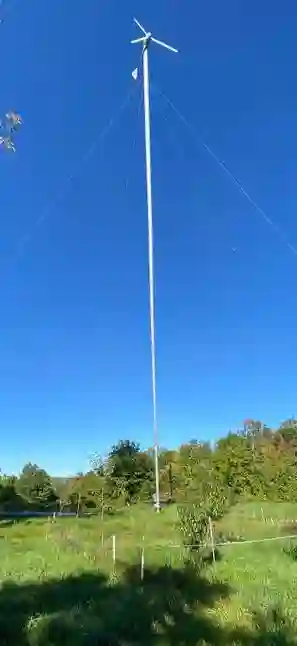
Properties:
Voltage: <1V - ~500V
Wattage: <1W - 15kW
Depends On: Wind Turbine, tower, bridge rectifier, wire
Optional Dependencies: Charge controller, storage, breakers, inverter, brake, dump load
Benefits:
- Can produce any time of day, as long as there’s wind
- Low maintenance
Drawbacks:
- Requires a tower (in most cases). Should be a minimum of 20’ taller than surrounding trees and structures.
- Requires strong (>7mph) and ideally steady winds.
- May require a dump load
- Installing and raising a tower introduces challenges around needing external parties (cement foundation) and mobility (moving/raising large tower)
Earth
Properties:
Voltage: <1V - ?
Wattage: <1W - ?
Depends On: Two dissimilar metals, soil, wire
Optional Dependencies: Charge controller, storage
Benefits:
- Can be constant source (if soil remains moist and unfrozen)
- Relatively inexpensive
Drawbacks:
- Challenges to achieving higher voltages
Water
Properties:
Voltage: <1V - ~48V
Wattage: <1W - 500W
Depends On: Electric motor, bridge rectifier, wire
Optional Dependencies: Charge controller, storage
Benefits:
- Can be constant source
- Relatively inexpensive
Drawbacks:
- Requires adequate waterflow
- Extra care should be taken around any water life
Heat
Properties:
Voltage: <1V - ~12V
Wattage: <1W - ~50W
Depends On: TEG (Thermal Electric Generator), heatsink
Optional Dependencies: Storage
Benefits:
- Recoup small amount of heat energy
- No moving parts (solid state)
Drawbacks:
- Low power production
- Harder to find besides in woodstove fans
Propane or Gas Generator
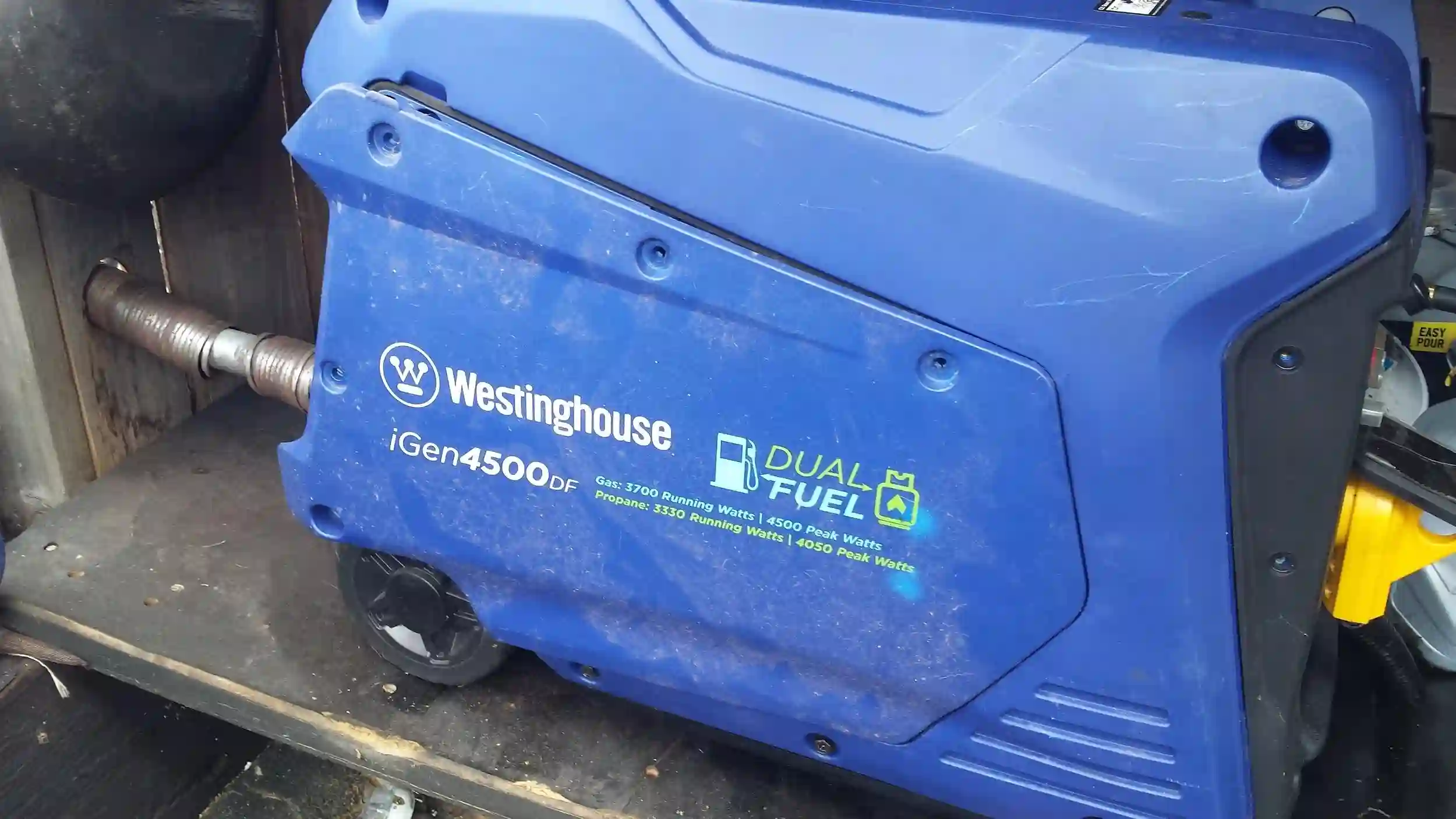
Properties:
Voltage: 12VDC/120VAC - 220VAC
Wattage: ~100W - >4kW
Depends On: Imported fuel
Optional Dependencies: Wire, high volt/amp plug, storage
Benefits:
- Relatively inexpensive to start
- Medium to high output
Drawbacks:
- Importing energy!!!
- Regular maintenance
- Parts availability
- Can struggle to start in very cold temps
- Produces waste oil
- Produces dangerous fumes which need to be ventilated (run inside greenhouse)
Wood Gas Generator
Wood gas generators rely on the same generators as the propane or gas, but consume fuel from a wood gasifier.
Properties:
Voltage: 12VDC/120VAC - 220VAC
Wattage: <1W - 3kW
Depends On: Biomass (mostly trees)
Optional Dependencies: Wire, high volt/amp plug, storage
Benefits:
- Relatively inexpensive to start
- Medium to high output
Drawbacks:
- Custom built gasifier (or purchase expensive one)
- Regular maintenance
- Parts availability
- Can struggle to start in very cold temps
- Produces waste oil
- Produces dangerous fumes which need to be ventilated (run inside greenhouse)
Pedal Bike
Properties:
Voltage: <1V - ~500V
Wattage: <1W - 200W
Depends On: Electric motor, bridge rectifier, wire
Optional Dependencies: Charge controller, storage
Benefits:
- Human powered
- Simple design
- Relatively inexpensive
Drawbacks:
- Low power production
- Requires active involvement
Hand Crank
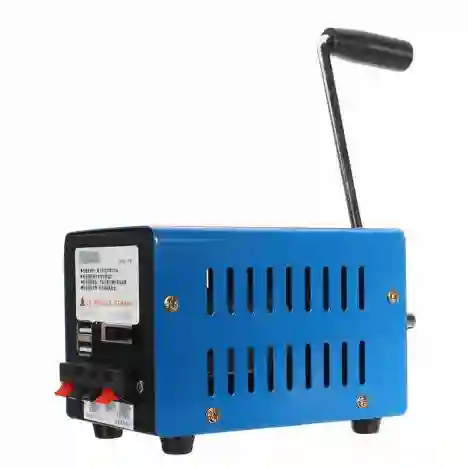 Properties:
Voltage: <1V - ~20V
Wattage: <1W - 15W
Depends On: Hand crank electric motor
Optional Dependencies: Storage, wire
Benefits:
- Human powered
- Inexpensive
- Mobile
Drawbacks:
- Low power production
- Requires active involvement
Cheats
- Charge off a car
- Charge USB batteries somewhere else (import energy)
Storing Energy
Storing Energy: Heat
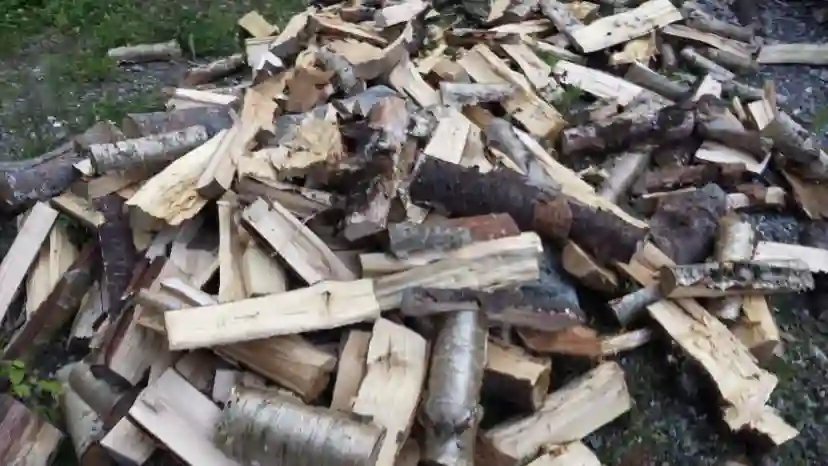
Combustables
Description: Wood is the most common combustable material that we use, though we do import propane for cooking.
Benefits:
- Little to no storage loss
Drawbacks:
- Recovering heat energy releases various gases
Thermal Mass
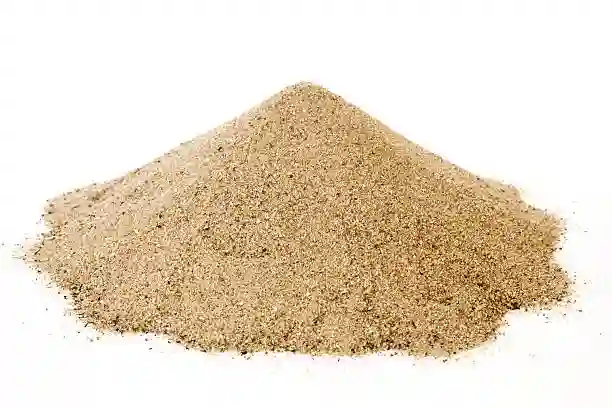
Description: There are various materials which act as a good thermal mass. Two of the most abundant of which are:
- Water
- Sand
Benefits:
- Cheap (usually)
- “Renewable”
Drawbacks:
- Water has a relatively low heat limit before pressure becomes a problem (steam)
- Water can lead to growth inside the system
- Many people use some form of antifreeze solution in their systems to solve for the above 2 problems
Phase Change
Description: Renewing a phase change material back to its “original” form typically requires applying heat.
Benefits:
- Renewable
Drawbacks:
- You need to put more heat energy in than you get out
Storing Energy: Electricity
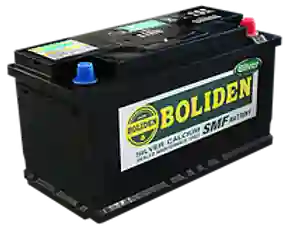
Battery: Lead-Acid
Properties:
Voltage: <1V - >120V
Watt Hours: <1Wh - >kWh
Depends On: Charging source, wire
Optional Dependencies: Charge controller
Benefits:
- Cheap
- Common
Drawbacks:
- Short lifespan
- Corrosive
- Off-gassing (requires ventilation)
- Some need regular maintenance
- Toxic materials for recycling
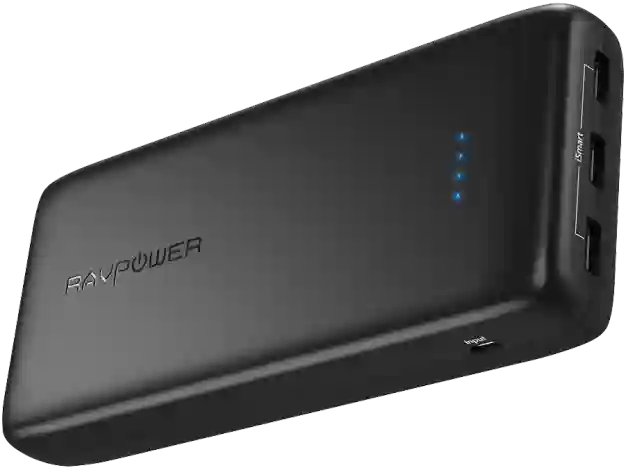
Battery: Lithium-Ion
Properties:
Voltage: <1V - >500V
Watt Hours: <1Wh - >kWh
Depends On: Charging source, Charge controller, wire
Optional Dependencies: BMS
Benefits:
- High storage density
- High energy output
Drawbacks:
- Thermal runoff (fire, explosion)
- Toxic materials for recycling
- Expensive
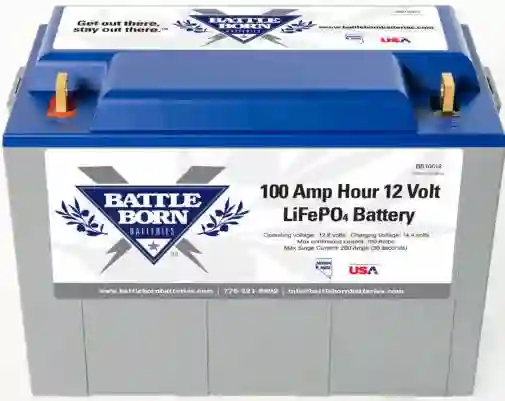
Battery: LiFEPO4
Properties:
Voltage: <1V - >120V
Watt Hours: <1Wh - >kWh
Depends On: Charging source, Charge controller, wire
Optional Dependencies: BMS
Benefits:
- Decent storage density
- Relatively safe (no rapid thermal runoff)
Drawbacks:
- Expensive
- Toxic materials for recycling (not as bad as some others)
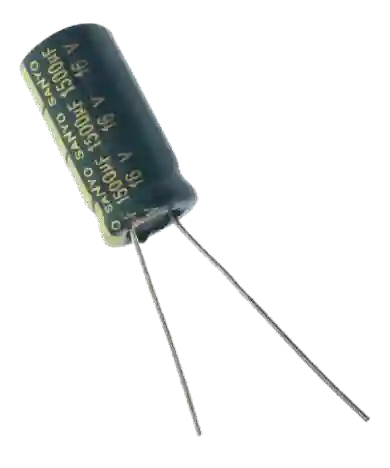
Capacitor
Properties:
Voltage: <1V - >kV
Watt Hours: <1Wh - >100Wh
Depends On: Charging source, Charge controller, wire
Optional Dependencies:
Benefits:
- Can take high amp inflow and outflow
- Can help smooth power supply
Drawbacks:
- Storage density is low
- Price is relatively high
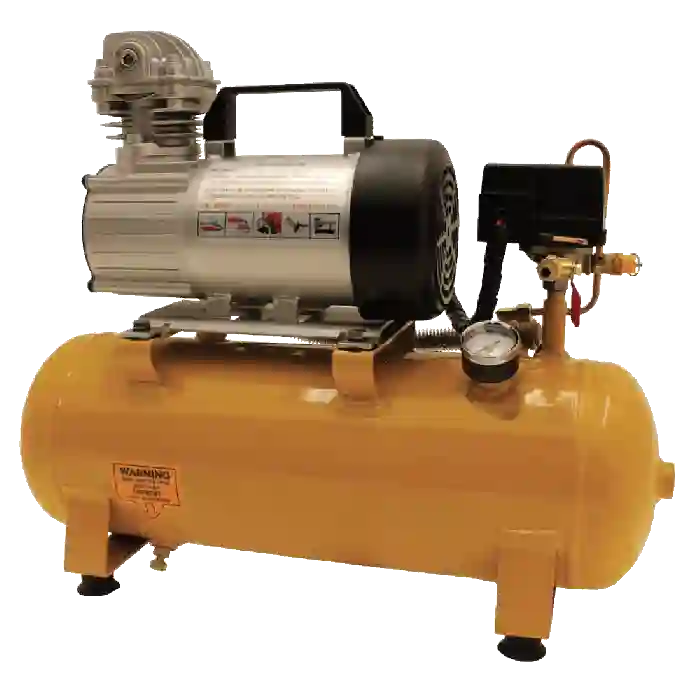
Pressurized Air
Properties:
Voltage: <1V - ??
Watt Hours: <1Wh - ??
Depends On: Air Compressor, Electric motor, bridge rectifier, wire
Optional Dependencies: Charge controller, storage
Benefits:
- Generates waste heat
- Non-chemical based storage
Drawbacks:
- Energy storage density is very low
Flywheel
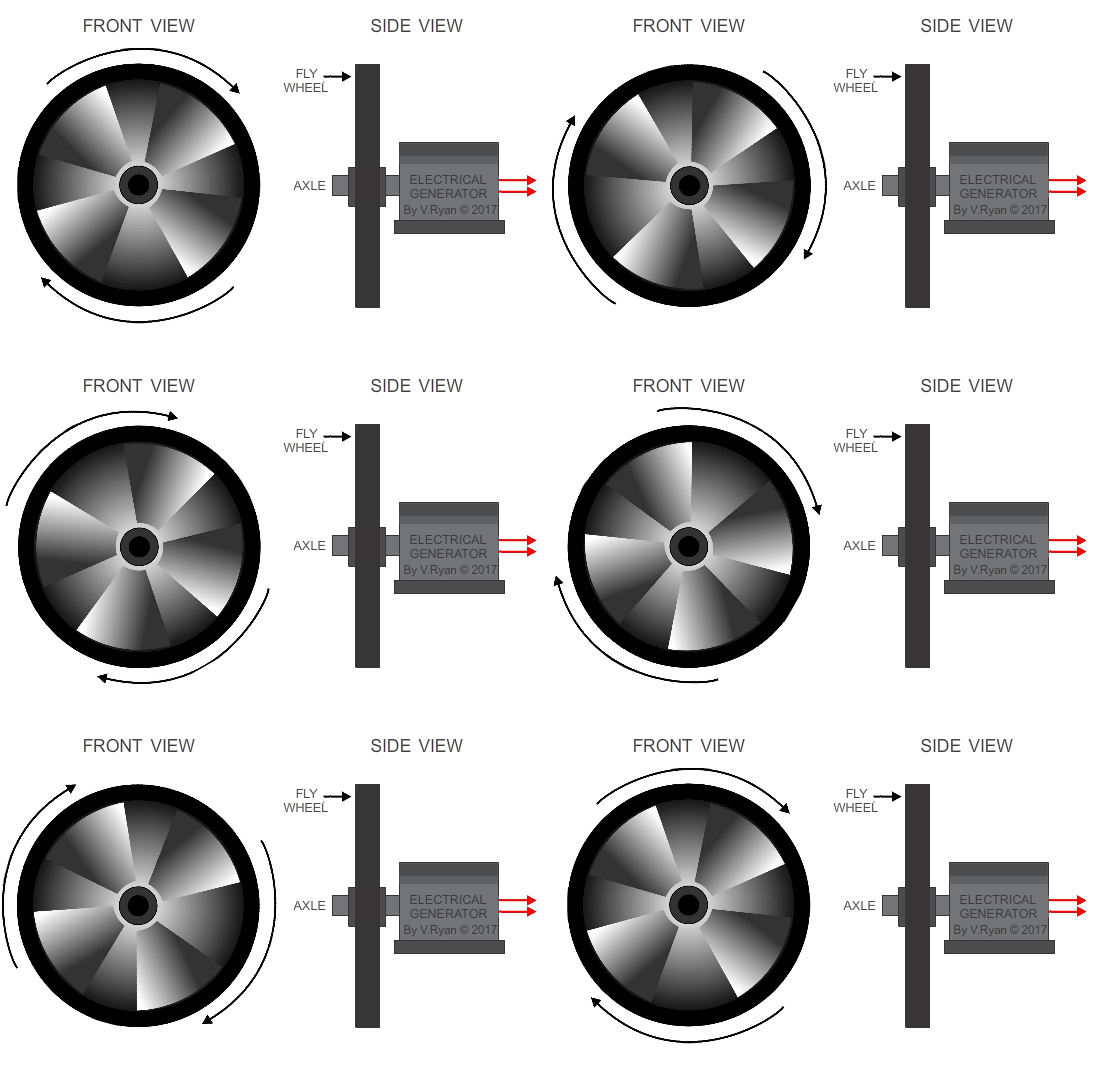
Properties:
Voltage: <1V - ??
Watt Hours: <1Wh - ??
Depends On: Electric motor, bridge rectifier, wire
Optional Dependencies: Charge controller, storage
Benefits:
- Non-chemical energy storage
Drawbacks:
- Low power yield from a small setup
- Friction is a major cause of energy loss
Gravity
Properties:
Voltage: <1V - >12V
Watt Hours: ??
Depends On: Electric motor, bridge rectifier, wire
Optional Dependencies: Charge controller
Benefits:
- Uses a common force to provide energy
- Can take multiple forms such as water and turbine or weight and pulley spinning a generator.
Drawbacks:
- Need decent elevation change to extract energy from flowing water
- Not many existing designs using materials other than water